

–
By: Jeff Mayer —————————————————————————————————————Updated: Mar 16, 2026
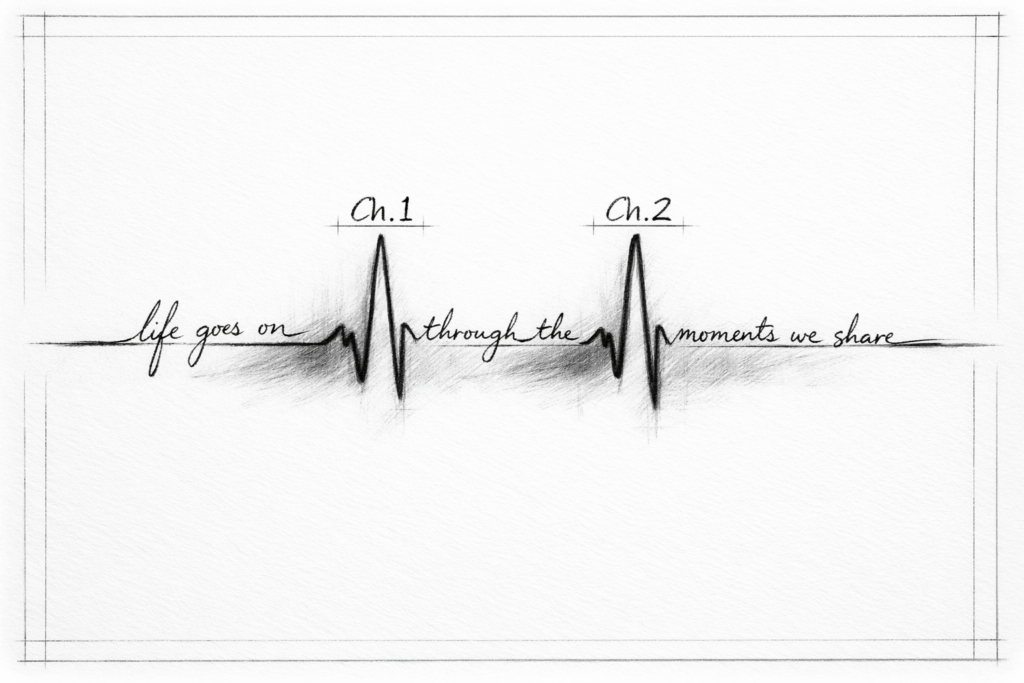
Most writers think of chapters as simple furniture. You write a few thousand words, drop a line break, add a bold heading, and call it Chapter Seven. It’s tidy. It keeps the manuscript organized. It tells the reader where to pause before turning off the bedside lamp. But that’s the surface view.
–
Inside This Masterclass: Chapter Rhythm & Pacing
-
Units of Momentum: Understanding the chapter as a pacing device rather than a container.
-
The Micro-Contract: Managing the silent agreement that keeps the bedside lamp glowing.
-
Structural Audits: Identifying pacing choke points where narrative beats lose their breath.
-
The Shift in Power: Engineering every chapter to tilt the balance of the overall story.
-
Tactical Exit Strategies: Using character revelations and procedural setups to compel read-through.
-
Variable Geometry: Adapting chapter length to match the emotional requirements of the scene.
-
Invisible Architecture: Mastering the hidden mechanics of flow to maintain deep reader immersion.
In the professional publishing world, a chapter is something far more precise. It’s not a container. It’s a pacing device.
Think of your manuscript as a living organism. The chapters are its pulse. Each one tells the reader how fast the story should move, when to breathe, when to lean forward, and when to turn the page, even though it’s already past midnight. Chapter length won’t save a weak book. Nothing will.
But poor structural rhythm can absolutely sabotage a good one. A novel with great characters and a strong premise can still lose readers if its pacing feels erratic, too slow in places, frantic in others.
The trick is to stop thinking about chapters as arbitrary word counts and start seeing them for what they really are: units of psychological momentum.
Every time a reader begins a new chapter, a quiet agreement takes place. It’s not written down anywhere, but both sides understand it.
The reader thinks: All right. Let’s see where this goes.
And the writer silently replies: Stick with me for a few pages, and I’ll show you something that matters.
That exchange is what I like to call a micro-contract. Break it too often, and the reader stops trusting you. If every chapter in your book runs eight thousand words, you’re asking the reader for a serious investment of attention. That can work, sometimes brilliantly, but it demands stamina.
On the other hand, a book made entirely of five-hundred-word chapters can feel like someone flicking the light switch on and off every thirty seconds. It creates speed, but it can also create fatigue. The goal isn’t short or long. The goal is rhythm. And rhythm changes depending on the story you’re telling.
If you spend enough time studying manuscripts, you’ll start to notice patterns.
Most contemporary chapters land somewhere between 3,000 and 4,000 words. That range seems to match the natural tempo of modern reading habits. Long enough to feel substantial. Short enough to keep the pages turning. But context matters. A manuscript’s total word count quietly dictates the density of its chapters.
Fiction vs. Non-Fiction: Two Different Engines
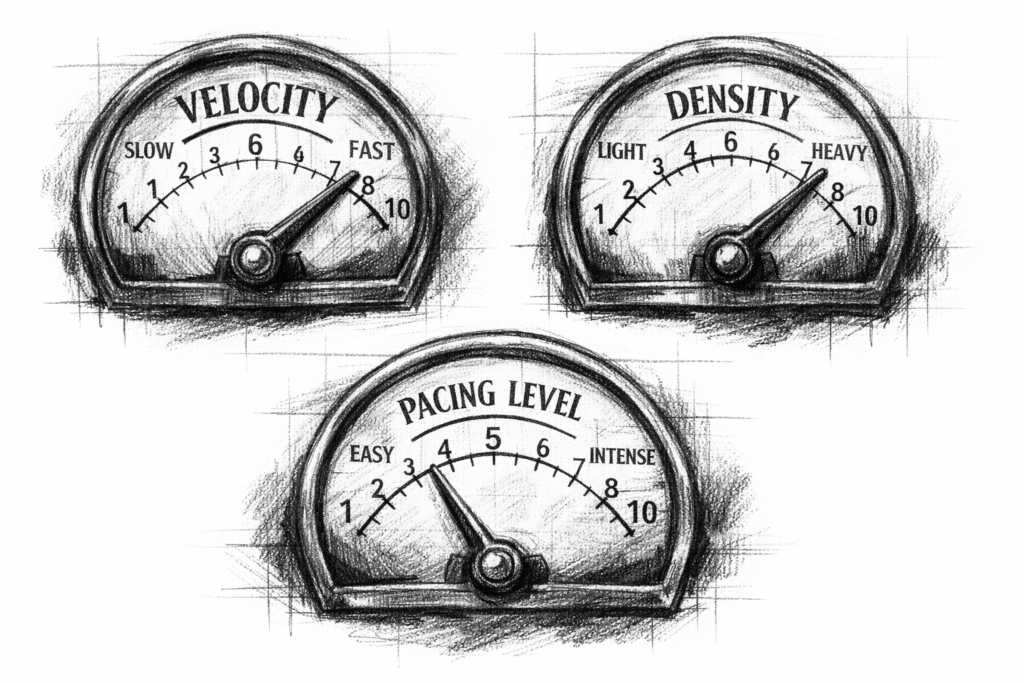
Fiction, especially novels in the 80,000 to 100,000 word range, tends to favor shorter chapters and more of them. Twenty-five, sometimes thirty-five chapters, isn’t unusual. The goal here is narrative velocity. Readers should feel the narrative pulling them forward the way a current pulls a swimmer downstream. Non-fiction operates differently.
A typical non-fiction book might run forty to sixty thousand words and contain ten or twelve chapters. Each chapter is expected to deliver something concrete: a framework, an argument, a set of insights the reader can carry away. In that environment, a 5,000-word chapter doesn’t feel excessive. It feels like value. Readers want to close the chapter with the sense that they’ve learned something complete.
The final piece of the puzzle is genre. Every genre carries an emotional promise, and that promise quietly dictates pacing. Ignore it, and readers will feel the dissonance even if they can’t quite explain why. Epic fantasy and literary fiction operate on a slower, deeper rhythm. These are the marathon runners of storytelling. World-building takes space. Atmosphere takes time.
When a reader steps into a vast fictional universe, like the ones created by J. R. R. Tolkien or the richly layered narratives of Donna Tartt, they expect immersion. Longer chapters become part of the experience. Five thousand words. Seven thousand. Sometimes even ten. And when the prose is strong enough, readers don’t just tolerate that commitment. They relish it.
Because at that point, the chapter isn’t just a structural unit anymore. It’s a room in a world the reader doesn’t want to leave.
Chapter Length, Pace, and the Hidden Mechanics of Story
Some stories stroll. Others run. Thrillers, mysteries, and suspense novels don’t politely escort the reader through a narrative; they grab them by the sleeve and pull them forward. In that kind of storytelling economy, chapter length becomes a tactical choice rather than a structural habit.
Many successful thriller writers lean heavily on what I like to call short-burst chapters, often under 1,500 words. These chapters operate like quick jabs in a boxing match. One lands, then another, and before the reader has time to catch their breath, the next punch is already coming.
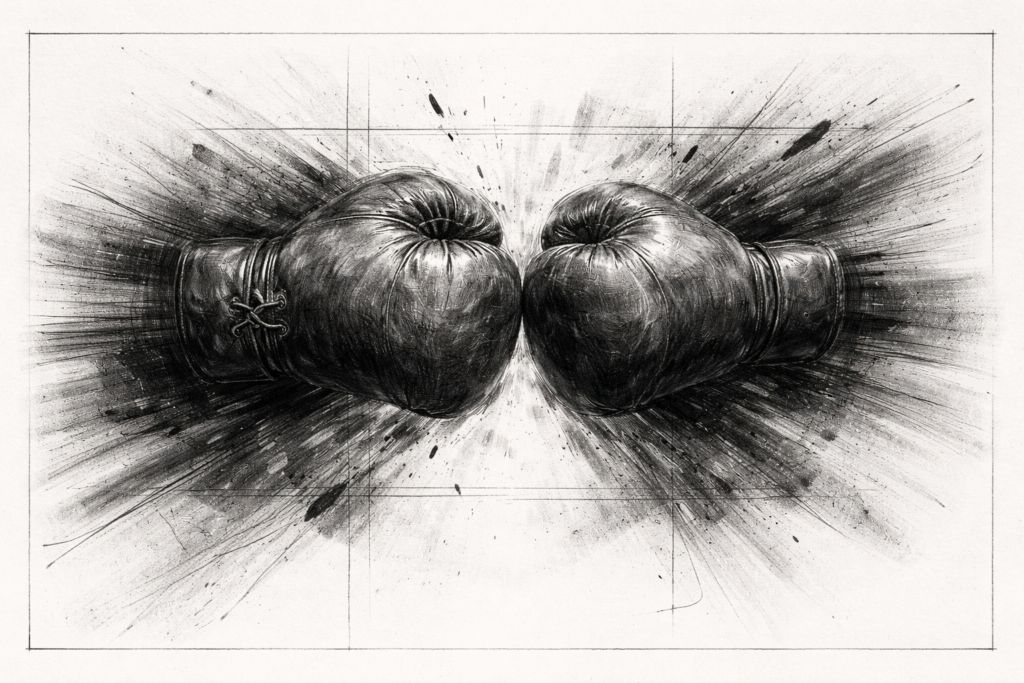
The effect is psychological as much as structural. When a chapter ends on a high-tension note, an unanswered question, a sudden discovery, a door opening at the wrong moment, the brain releases a little surge of curiosity. Call it dopamine, call it narrative gravity, call it the ancient human need to know what happens next. The result is the same: the reader says, “Just one more chapter.”
That sentence has kept more bedside lamps glowing at midnight than any marketing campaign ever could.
The Middle Ground: Stories That Breathe
Not every book is built to sprint. Genres like romance, mainstream fiction, and science fiction tend to settle into a steadier rhythm. Here, chapters often fall somewhere in the 2,500 to 3,500 word range, long enough for emotional development, short enough to keep the narrative engine humming.
These stories need space. A romance needs room for glances that linger too long and conversations that reveal more than the characters intend. Science fiction often needs a few extra pages to introduce the machinery of a new world, whether that machinery is technological, political, or cosmic.
But even here, the key principle remains the same: movement.
A chapter that lingers too long without changing something, emotionally, intellectually, or dramatically, begins to feel like a stalled car on a busy highway. Readers sense it immediately. They may not know why the momentum disappeared, but they’ll feel the drag. And once a reader starts feeling drag, you’re already losing the race.
Professional writers rarely end a chapter because the word counter hits a comfortable number. Word counts are useful guidelines, but they’re terrible masters. A chapter should end when it has done its job.
Before you tap that key and drop the reader into the next section of the story, it helps to ask a few blunt questions, the kind editors and agents quietly ask while reading submissions late at night.
- The Shift in Power: Did someone gain ground or lose it? A detective discovers a clue. A lover learns of a betrayal. A villain realizes the trap has closed. Something must tilt the balance of the story.
- The New Variable: Did you answer a question, or, better yet, replace it with a bigger one? Good storytelling is a chain of curiosity. Every link leads to the next.
- The Emotional Pivot: Did the emotional temperature change? Hope to despair. Fear to courage. Confusion to clarity.
If none of those things happened, there’s a decent chance the chapter is simply taking up space. And in publishing, especially in competitive North American markets, space without purpose rarely survives the editorial process.
Not every shift in the story deserves a brand-new chapter. Sometimes all you need is a pause, a breath between moments. That’s where the humble scene break comes in. A single centered symbol, a blank line, maybe a trio of asterisks. Small marks, but powerful ones. Used well, scene breaks allow a writer to stretch or compress narrative time without disturbing the overall rhythm of the book.
Combining for Density: Three short scenes that belong together can live comfortably inside one chapter, separated by scene breaks. The chapter gains weight and cohesion, and the book avoids feeling fragmented.
Skipping the Mundane Scene breaks also allows the writer to leap over the dull parts of life: the long drive across town, the routine conversation, the mechanical steps between two important moments. Readers rarely miss what they never had to read.
The Exit Strategy
The last paragraph of a chapter carries a quiet responsibility. It’s the moment when the writer decides whether the reader closes the book or turns the page. In publishing terms, this is often called the read-through factor. In simpler language, it’s the difference between interest and compulsion.
Professional writers often rely on three reliable exit strategies:
The Procedural Setup: The characters prepare for the next move. The plan is set. The danger is clear. The reader understands that something is about to happen and wants to see it unfold.
The Character Revelation: A sudden realization shifts the reader’s understanding of the protagonist. A memory surfaces. A truth emerges. The emotional landscape changes.
The Question That Won’t Stay Quiet Sometimes the best ending is simply a question, spoken or unspoken, that refuses to leave the reader alone.
- A locked door.
- A missing person.
- A line of dialogue that suddenly means something different.
When a chapter closes on a moment like that, the next page becomes irresistible. And when enough of those moments accumulate across a manuscript, the book develops something every publisher hopes for, and every reader recognizes instantly: Momentum.
Chapter Length, Pace, and the Hidden Mechanics of Story
When the first draft is finished, and the dust finally settles on the battlefield of your manuscript, it’s time to step back and look at the machine you’ve built. This is where professional writers perform what I like to think of as a structural audit. Stories feel emotional when we write them, but structure is something you can actually measure. Chapters leave footprints. Patterns emerge. Bottlenecks reveal themselves if you’re willing to look.
Start with a simple consistency check. If most of your chapters hover around 3,000 words but Chapter 14 balloons to 9,000, you’ve probably discovered a pacing choke point. Somewhere inside that chapter, two or three narrative beats have been forced to live under the same roof when they’d breathe easier in separate rooms. Readers feel this kind of congestion immediately. They may not say, “This chapter violates structural symmetry,” but they will say something far more dangerous:
“I’ll finish the rest tomorrow.” And tomorrow is where unfinished books go to die.
The second part of the audit involves something even more valuable than analytics: real readers. When you send your manuscript to beta readers, don’t ask them vague questions like “Did you like it?” That’s the literary equivalent of asking a doctor if you’re healthy without taking your pulse.
Instead, ask something brutally specific: “Where did you feel tempted to put the book down?”
If three readers circle the same chapter, you’ve found a pressure point. The culprit might be length. It might be pacing. It might simply be that nothing important happens there. But whatever the cause, the chapter has broken the rhythm, and rhythm, more than almost anything else, is what keeps a story alive.
Writers tend to think of chapters as breathing spaces, little pauses where the reader can stretch, sip coffee, or glance at the clock. But the truth is more interesting than that. Chapters are not pauses. They’re geometry. Every chapter alters the shape of the story.
Some widen the world. Others tighten the screws. A few turn the entire narrative sideways and force the reader to look at things from a new angle. If you’ve ever wondered why some books feel impossible to put down while others, even beautifully written ones, feel like slow marches through wet sand, the answer often lies here: in the invisible architecture of chapter structure.
Readers aren’t just looking for a good story. They’re looking for a rhythm they can trust. And trust in storytelling is built through repetition and variation, through the steady pulse of chapters that promise movement and deliver it.
A developmental editor I once spoke with, someone who’d seen thousands of manuscripts pass across their desk, described the most common flaw in debut novels with a phrase that stuck with me: The chapters don’t breathe correctly. Some are so long they feel like locked rooms. Others are so short they resemble broken fragments. The reader never quite finds the steady flow that allows immersion to happen.
Flow, in reading, is a delicate thing. Once a reader falls into it, hours can pass without notice. The outside world disappears. The story becomes the only gravity that matters. But break that rhythm, force the reader to slog through a swollen chapter or hop across a dozen paper-thin ones, and the spell cracks. And once the spell cracks, it’s surprisingly hard to rebuild.
One of the great misconceptions about chapter length is the belief that there’s an industry standard that works for every book. There isn’t. Every genre carries its own cultural heartbeat. In children’s literature, chapters function like milestones. Each one is a small victory, a moment when a young reader realizes they’ve completed something substantial.
In a high-velocity thriller, chapters become instruments of adrenaline. They compress tension, deliver impact, and release the reader just long enough to start the cycle again. In epic fantasy, chapters often serve a completely different purpose: they anchor the reader inside a vast fictional world. When landscapes, histories, and entire civilizations are being introduced, longer narrative breaths become necessary.
Different genres breathe at different speeds. And a writer who ignores that rhythm risks creating something that feels subtly, but unmistakably, wrong.

Modern storytelling exists in a crowded environment. Books are no longer competing only with other books. They compete with streaming platforms, video games, social media, and a thousand glowing rectangles that promise instant stimulation. This doesn’t mean readers have become less intelligent. But it does mean attention has become a battlefield.
A parent reading a middle-grade novel to their child before bedtime wants a chapter that ends at a natural stopping point. Something that can be completed in a few minutes without leaving the story hanging in midair. A commuter reading a suspense novel between subway stops wants a burst of momentum, something tight enough to fit between stations.
When writers misjudge these windows of attention, they lose readers not because the story is weak, but because the rhythm no longer matches the reader’s world.
Children’s and Young Adult fiction reveal this dynamic more clearly than almost any other category. For early readers moving into chapter books, the chapter itself becomes a psychological reward. Finishing one feels like crossing a small finish line. That sense of completion encourages the habit of reading, which is exactly what those books are designed to cultivate.
But move into the YA market and something interesting happens. The pacing accelerates dramatically. The modern American YA landscape is dominated by voice-driven narratives, stories that hook readers through immediacy, emotional urgency, and rapid revelation. Chapters in this space tend to stay lean. Once they drift past the 4,000-word mark, they begin to feel heavy for the audience they’re meant to serve.
Why?
Because YA readers crave momentum. They want discovery, tension, and emotional shifts. If a scene lingers too long without changing something meaningful, the narrative gravity weakens. And when that happens, the reader’s thumb begins to hover, not over the next page, but over the glowing screen of their phone. That’s not a failure of imagination. It’s simply a reminder that in modern storytelling, pacing is power.
What Prose Writers Can Learn from the Visual Page
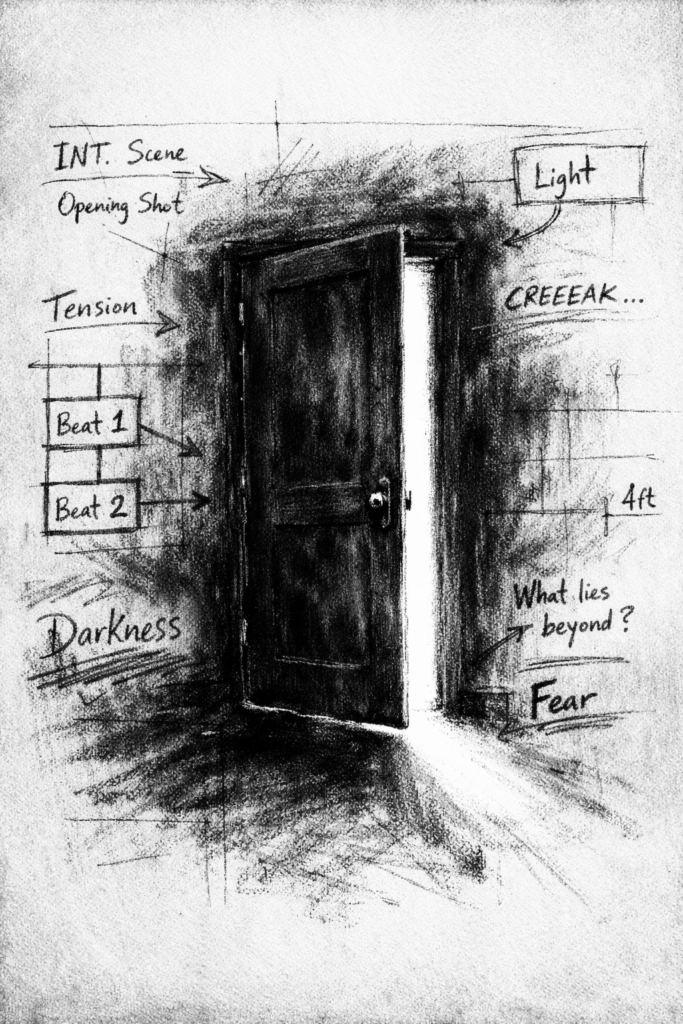
Step outside the world of traditional prose for a moment and take a look at graphic novels and comic books. The first thing you’ll notice is that chapters in those formats don’t obey word counts at all. In fact, the word count is almost irrelevant. What matters there are beats, moments of revelation, tension, silence, and visual impact.
A chapter in a graphic narrative, whether it appears as an issue, a volume, or a serialized installment, is constructed through spatial rhythm. The architecture lives in the arrangement of panels, the weight of dialogue balloons, and the strategic use of negative space. Most importantly, the chapter almost always ends with a visual hook, a final panel that forces the reader to turn the page. It’s the purest form of the phrase “page-turner.”
For prose writers, this visual discipline offers a valuable lesson. Even in a five-hundred-page historical novel, the last sentence of a chapter is followed by something powerful: white space. That empty page isn’t just formatting. It’s a moment of silence, a pause where the resonance of the scene can settle before the reader steps into the next movement of the story. Handled well, that silence becomes part of the storytelling.
Move into the adult literary fiction landscape, particularly in the United States, and the expectations shift again. In literary fiction, there’s a certain prestige attached to the long-form chapter. Long chapters suggest patience. They suggest depth. They imply a writer willing to linger inside thought, atmosphere, and psychological complexity.
When a novelist such as Donna Tartt builds a chapter that stretches to extraordinary length, it’s not the result of loose discipline. It’s a deliberate decision designed to place the reader inside a sustained mental environment. The reader isn’t simply observing the protagonist; they’re inhabiting the same obsessive mental weather. But that level of immersion is a luxury earned through mastery.
For most writers, particularly those navigating the middle tiers of the publishing ecosystem, the goal isn’t maximal length. It’s equilibrium: a chapter substantial enough to feel meaningful, but lean enough to keep the narrative oxygen flowing. Too much density suffocates the pace. Too little leaves the reader hungry.
At the other end of the spectrum sits the modern American thriller. Writers like James Patterson helped popularize a radically different structural philosophy: the micro-chapter. Some of these chapters barely reach 400 or 500 words. On the surface, it may look like simplicity, maybe even laziness. But that impression misses the real strategy.
Micro-chapters are built on a sharp understanding of reader psychology and consumer behavior. They transform the novel into something almost modular, a sequence of quick narrative hits that accumulate into relentless momentum. The result is a reading experience that feels strangely addictive. Each chapter whispers the same quiet promise: You can read just one more. And before the reader realizes it, the clock on the nightstand reads three in the morning.
From a publishing perspective, this raises a practical question every editor eventually asks: Is this story meant to feel like a meal or a race? Chapter length is often the first signal that answers that question.
Non-fiction operates under a completely different psychological contract. In a novel, the chapter moves the emotion forward. In non-fiction, the chapter moves knowledge forward. A chapter in a business book, leadership guide, or professional handbook is essentially a module of argument. Readers approach it expecting clarity, structure, and a definable takeaway. If the chapter is too short, it feels thin, like a lecture that ends before the real lesson begins.
If it stretches too long without internal structure (subheadings, examples, narrative breaks), the information begins to blur together. Retention drops. The reader slows down. And when a non-fiction reader slows down too much, the book risks becoming something dangerous to its author: a reference object instead of a transformative experience.
The former sits politely on a shelf. The latter gets recommended.
What many authors overlook is that chapter architecture also affects the practical realities of publishing. Books are physical objects, after all. In traditional print production, whether through offset printing or print-on-demand, the number of chapters influences layout, page distribution, and ultimately the physical bulk of the book. In the digital ecosystem, structure becomes even more interesting.

On devices like the Amazon Kindle, a chapter that feels perfectly reasonable in hardcover can appear intimidating when rendered as a long digital scroll. Perception changes when the tactile experience of turning pages disappears. A professional writer has to understand that structure doesn’t exist only on the manuscript page, it travels across formats, platforms, and reading environments.
The most successful manuscripts rarely follow a rigid structural template. Instead, they operate with what might be called variable geometry. In this model, chapter length adapts to the emotional requirements of the story. A high-tension sequence might unfold through three rapid chapters of roughly a thousand words each, creating acceleration.
Immediately afterward, a longer chapter, perhaps five thousand words, gives the characters and the reader room to absorb the consequences. This fluctuation creates texture. Without variation, structure becomes mechanical. A book in which every chapter is exactly the same length often feels less like a living narrative and more like a formula applied repeatedly. Stories breathe. Structure should breathe with them.
And perhaps this is where the conversation pauses, for now. Not because the architecture of chapters has been fully mapped, but because every manuscript that lands on a writer’s desk redraws the blueprint in its own way. The rhythm changes, the pulse shifts, and the writer is left alone with that quiet, stubborn question every storyteller eventually faces: Where does this moment truly end?
Structure, in the end, is less about rules and more about listening to the cadence of the narrative, to the patience of the reader, and to the invisible tension that lives between one page and the next. This is where the discussion closes its current door, leaving another one somewhere down the corridor slightly ajar.
Because in storytelling, the final chapter is never really the end, only the place where the next question begins.