

–
By: Richard Watson—————————————————————————————————————Updated: Mar 18, 2026
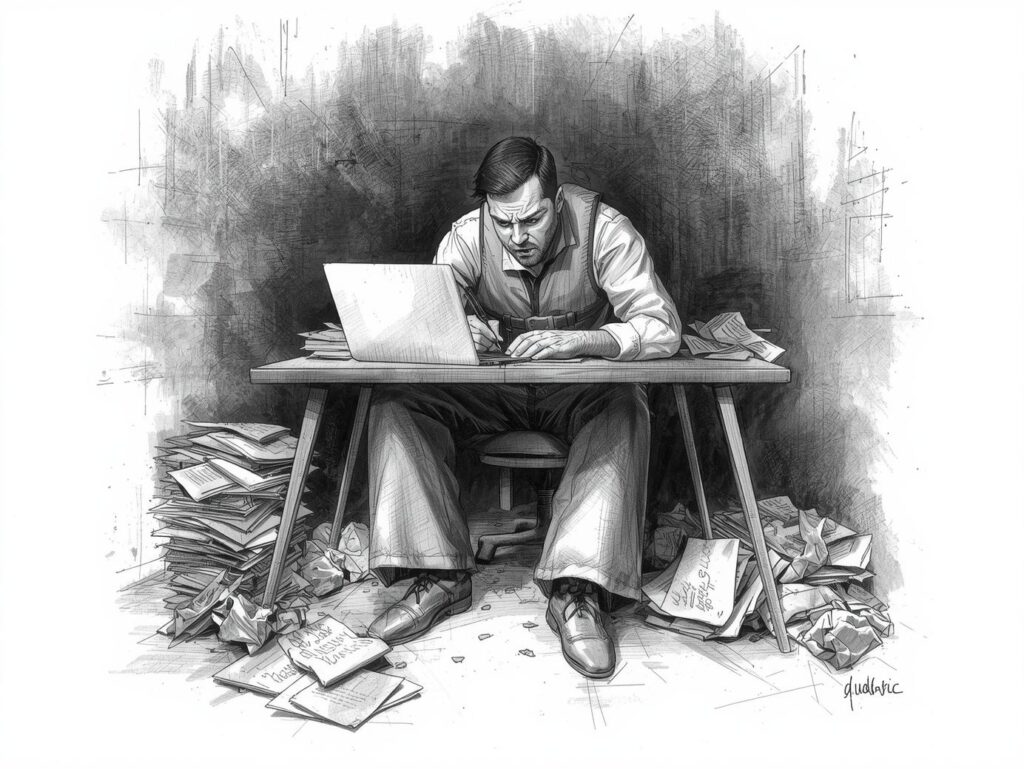
Let’s get one thing straight before we step into the dark room of creation: writing a first draft is like digging a trench in a rainstorm. You’re muddy, you’re tired, and honestly, the whole thing looks like a disaster waiting to happen to anyone standing on the outside. Most writers think that when they type “The End,” they’ve built a skyscraper, but they’ve really just hauled the stones to the site. As an editor who has stared down a thousand bleeding manuscripts, I’ve seen the fear in a storyteller’s eyes when the red pen comes out. The transition from a raw, pulsing draft to a bound book is less about art and more about the surgical will to cut away the dead skin.
Inside This Masterclass:
Transform Raw Writing Into Professional Work
-
How Do You Survive Your First Draft?
-
How to Kill Your Ego and Edit?
-
How to Master the Three Essential Passes?
-
How to Cut the Fat and Strengthen?
-
How to Partner With a Professional Editor?
-
How to Beat Perfectionism and Just Finish?
-
How to Make Your Manuscript Industry Ready?
-
Why Does Finishing a Book Change Everything?
It’s a brutal, necessary metamorphosis that separates the hobbyists from the people who actually want to see their names embossed on a spine. You have to be willing to kill your darlings, or at least put them in a very cold cellar for a while. If you can’t handle the sight of your own prose on the operating table, then The Marker, or any house worth its salt, isn’t going to be your home. When a beginner writer hands me a finished draft, they usually look like they’ve just survived a plane crash, clutching their pages like a life raft.
My job as the editor isn’t to tell them how brave they are for finishing; it’s to tell them where the scaffold is still showing. I see the sweat in the margins, the places where the logic falters because the author was too tired to care at three in the morning. Writers often treat their first drafts as sacred texts, but to an editor, that paper is just raw clay that needs a heavy thumb. A professional editor doesn’t just fix commas; they act as the first true reader who refuses to be lied to by the author’s ego.
Negotiating that space between the writer’s vision and the reader’s reality is where the real “magic” of publishing actually happens. It’s a tug-of-war where the rope is made of syntax, and the stakes are the reader’s precious, fleeting attention. The struggle doesn’t end once the ink is dry; in fact, the real psychological warfare begins the moment you realize the draft is “done” but not “ready.” I’ve watched seasoned pros crumble when I suggest that
Chapter Four belongs in the trash, and I’ve seen debut novelists find their voice only after losing ten thousand words. Writing is a lonely business, but publishing is a collaborative contact sport that requires a very thick skin and a very sharp mind.
Authors have to learn that the editor isn’t the enemy; we are the ones holding the flashlight in the basement of your plot holes.
Understanding that the manuscript is a living organism, capable of evolving or dying on the vine, is the first step toward professional mastery. It’s about moving past the “look what I made” phase and entering the “how does this work” phase of the industry. Without that shift in perspective, you’re just a person with a very long, very expensive diary.
Editors deal with writers who are often too close to the flame to see the smoke rising from their own narrative structure. We have to be the cold bucket of water that brings them back to the reality of the marketplace and the demands of the craft. It’s a delicate dance, convincing a creator that their five-page description of a sunset is actually a roadblock to the story’s heart. I’ve had late-night calls with authors who are convinced that changing a single adjective will ruin their legacy, and I have to be the one to say “no.”
The editorial process is the ultimate trial by fire, ensuring that only the strongest, most resonant ideas survive the journey to the printing press. It’s a rigor of subtraction, a constant paring down until only the muscle and bone of the story remain visible to the world. We aren’t here to change the story you wanted to tell, but to help you actually tell it instead of just dreaming it. Post-writing survival is about endurance and the recognition that the “writer” version of yourself must now make way for the “maker” version.
The person who dreamed up the characters is a dreamer; the person who fixes the pacing is a craftsman who knows how to use a hammer. I always tell our authors that the best thing they can do after finishing a draft is to lock it in a drawer and forget it exists. You need to let the fever break before you can look at the work with the cold, unfeeling eyes of a stranger. True authorship is found in the willingness to return to the scene of the crime and clean up the mess you left behind.
If you can do that, you’ve got a fighting chance at a career that lasts longer than a single season on a dusty shelf. It’s about the long game, the slow burn, and the absolute refusal to settle for “good enough” when “excellent” is just one more revision away. So, here we are, standing at the edge of the woods with a backpack full of crumpled pages and a heart full of hope.
This article is your map through the thickets of structural revision, the swamps of self-doubt, and the high mountains of professional publishing standards. We are going to look at the bones of the process, from the psychological shifts required to the technical passes that make prose sing.
Whether you’re a student of the craft or a veteran with a few titles under your belt, there’s always something new to learn in the edit. The path from a messy desk to a The Marker or other house catalog is paved with revisions that most people are too lazy to actually finish. If you’re still with me, put on your boots and sharpen your pencil, because the real work is about to begin right now. We’re going to take that draft and turn it into something that actually lives and breathes.
The True Role of the First Draft
The first draft isn’t a book; it’s the shadow of a book, a rough outline sketched in the dark with a trembling hand. You have to give yourself permission to be bad, to be boring, and to be utterly incoherent as you get the words down. This stage is solely about material, raw, unrefined ore that hasn’t yet seen the furnace of a critical eye. A first draft is nothing more than the writer’s private conversation with themselves, a way to discover what the story actually wants to be.
Don’t worry about the prose being purple or the dialogue sounding like a wooden puppet show; just keep moving forward. The goal is completion, not perfection, because you can’t fix a blank page, no matter how much talent you think you have hidden away. Once you have that stack of pages, you have the “what,” but you certainly don’t have the “how” or the “why” quite yet.
Many writers make the mistake of trying to polish the syntax while the foundation is still sinking into the mud of a weak plot. Think of the first draft as a heap of lumber delivered to a construction site; it’s got potential, but you can’t live in it. The value of a completed draft lies in its existence, providing a tangible map of the author’s initial creative impulses and narrative direction. It’s the baseline, the “before” photo in a long and grueling makeover process that will eventually lead to a finished product.
You have to respect the draft for what it is, a brave beginning, without mistaking it for the final destination of your journey. Consistency in this phase is a myth, and your only job is to stay in the chair until the story has been fully exhaled. You’ll find that characters change names halfway through, or a sub-plot disappears into a vacuum because you forgot it existed. This is perfectly normal and, in fact, encouraged, because it shows that your brain is working faster than your fingers can type.
Professional writers understand that the first draft is merely the act of pouring sand into a box so they can build castles later. It’s a messy, sweaty, unglamorous process that requires a certain level of creative blindness to pull off successfully. If you look too closely at what you’re doing while you’re doing it, you might just stop, and stopping is the only true failure. Moving from the final period of the draft to the first revision requires a cooling-off period that most people simply don’t have the patience for. You need to let the manuscript sit until it becomes a stranger to you, losing that intimate, protective glow of recent creation.
Distance is the only tool that allows a writer to see the holes in their logic and the bloating in their descriptions clearly. When you return to work, you should feel like a mechanic looking at a broken engine, not a parent looking at a newborn child. This detachment is the key to the transition from writing to “editing,” and it’s where the actual book begins to take its true shape. The first draft was for you; the next draft is for the people who might actually pay money to read it.
The transition from the raw energy of the first draft into the structured reality of the next phase is where many writers lose their nerve. They fear that by changing the original words, they are losing the inspiration that sparked the project in the first place. But inspiration is cheap; execution is what pays the bills and builds the legacy of a professional author.
The true role of the first draft is to serve as the sacrificial lamb for the much better book that will eventually follow. You have to be willing to let that first version die so that a more resilient, polished version can be born from its remains. This leads us directly into the mental shift required to stop being a dreamer and start being a ruthless critic of your own work.
The Psychological Shift from Writer to Editor
Changing your hat from Writer to Editor is a violent act of self-discipline that requires you to abandon your own vanity. As a writer, you are a god creating a world; as an editor, you are a janitor cleaning up the mess that god left behind. You have to look at your favorite metaphors and realize they are actually dragging the pace of the story down into a swamp. The psychological shift into editing requires a cold, clinical detachment that prioritizes the reader’s experience over the author’s emotional attachment to the text.
It’s about developing a third eye that sees the words on the page as objects to be moved, shaped, or discarded. If you can’t find a way to hate your own work just a little bit, you’ll never be able to make it truly great. I’ve seen writers get stuck in a loop of “self-soothing” where they refuse to cut a scene because it was hard to write. Hard doesn’t mean good; sometimes the hardest scenes to write are the ones that don’t belong in the narrative at all.
You have to train your brain to stop looking for what you meant to say and start looking at what you actually did say. Successful editing demands the death of the ego, allowing the writer to view their prose as a functional tool rather than a sacred relic. It’s a transition from the heat of the heart to the ice of the mind, and it’s where the professional distinction is truly made.
You are no longer “expressing yourself”; you are now “constructing an experience” for an audience you will never actually meet. This mental pivot also involves a shift in how you perceive time and progress within the lifecycle of your project. In the draft phase, progress is measured in word counts; in the editing phase, progress is often measured by how many words you deleted. A day where you cut three thousand words can be more productive than a day where you wrote five thousand new ones.
Learning to value clarity and brevity over sheer volume is a hallmark of the psychological maturity required for professional publishing success. It’s a painful realization for many, but the weight of a book isn’t found in its page count, but in the density of its impact. You have to learn to love the silence between the words as much as the words themselves, allowing the story to breathe properly.
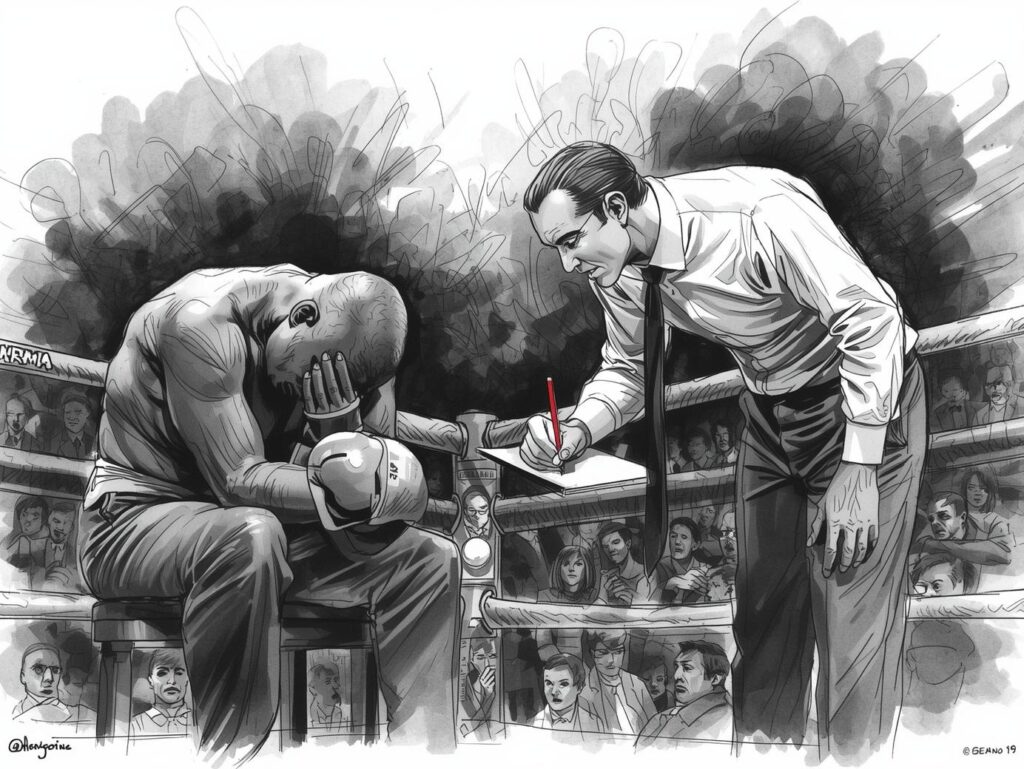
Furthermore, you must prepare yourself for the vulnerability of letting someone else’s eyes, a professional editor’s eyes, see your internal chaos. This requires a level of trust that can be terrifying for those who have spent months or years working in total isolation. The shift from writer to editor involves accepting that your perspective is inherently limited and that external critique is a vital component of growth.
You have to stop being defensive and start being curious about why a scene isn’t landing the way you intended it to. This openness to change is the only bridge that leads from a private hobby to a public career in the competitive world of letters. It’s about becoming a student of your own mistakes rather than a prisoner of your own initial, unrefined intentions.
Finally, this shift sets the stage for the technical “passes” that will physically transform the manuscript from a mess into a masterpiece. You can’t perform a structural edit if you’re still in writer mode, because you’ll be too busy defending your prose to see the structural failures. The psychological preparation for revision is the foundation upon which all technical improvements to the manuscript are eventually built during the process.
Once you’ve steeled your heart and sharpened your mind, you can begin the three core editing passes that define the professional standards of the industry. You have to be ready to tear the house down to its studs if that’s what it takes to fix the electrical wiring. Now that the mind is ready, let’s look at the actual mechanics of the three-pass system used by the pros.
The Three Core Editing Passes
The first pass is the big one, the “Macro Edit,” where you look at the skeleton of the story and see if the bones are broken. You aren’t looking at sentences yet; you’re looking at pacing, character arcs, and whether the ending actually earns the beginning you’ve written. Structural editing is the process of ensuring that the narrative foundation is strong enough to support the weight of the characters’ journeys.
If the middle of the book sags like an old mattress, no amount of pretty writing in the world is going to save it from a bored reader. You have to be willing to move entire chapters around or combine characters who are essentially doing the same job in the plot. It’s a high-level view that requires you to see the forest and ignore the individual leaves for a while. Once the structure is solid, you move into the second pass: the “Character and Dialogue Edit,” where you make sure everyone sounds like themselves.
Characters shouldn’t just be mouthpieces for the author’s ideas; they need their own cadence and their own specific way of avoiding the truth. Deepening character motivations during the second pass ensures that every action taken on the page feels earned and authentic to the reader.
You check for internal logic; does the protagonist suddenly become an expert swordsman just because the plot needs them to be? If so, you’ve got a problem that needs fixing before the next stage can even begin to work. This pass is about the “soul” of the book, making sure the emotional beats resonate with the frequency of real human experience.
The third and final core pass is the “Stylistic Polish,” where you finally get to play with the words and the rhythm of the language. This is where you hunt down the “was” and “were” and replace them with active, vibrant verbs that jump off the page and grab the reader.
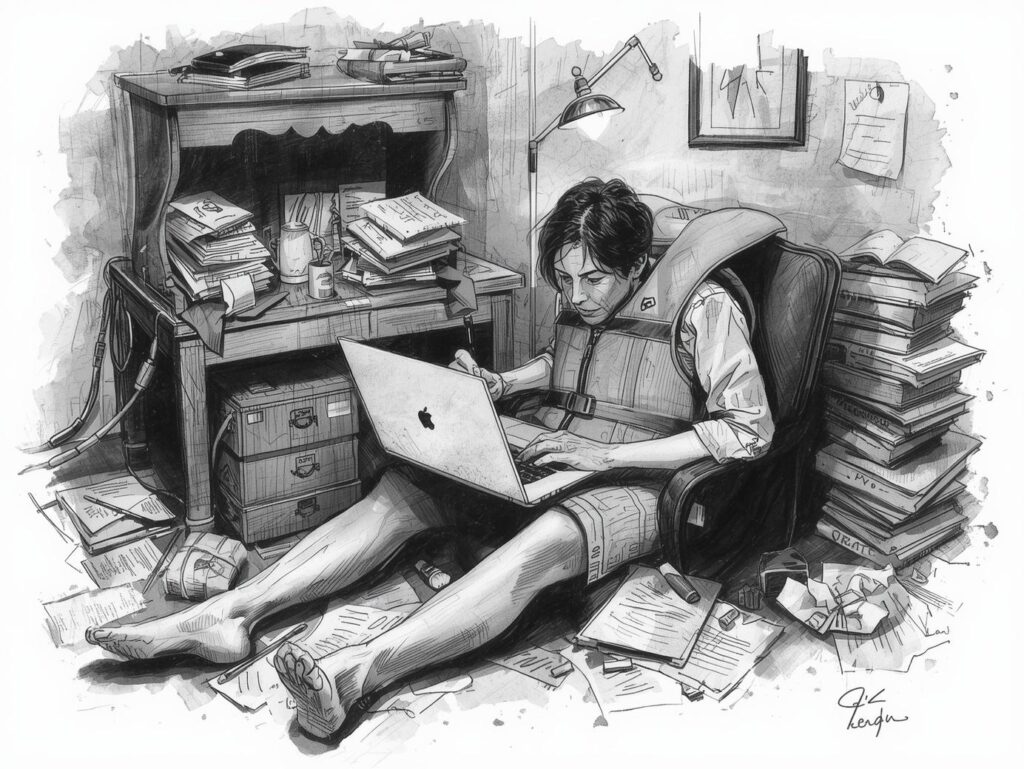
The stylistic edit is the stage where the author’s unique voice is refined, and the prose is scrubbed of all unnecessary clutter. You look for repetitive sentence structures that act like a metronome, putting the reader to sleep without them even realizing why they’re bored. You trim the fat, sharpen the edges, and make sure that every paragraph has a reason to exist beyond just filling up white space. This is the “beautification” phase, but it only works if the previous two passes have done their heavy lifting.
Professional editors often see manuscripts where the author tried to do all three of these passes at once and ended up with a muddle. You can’t fix a character’s motivation while you’re also trying to fix a typo; your brain just isn’t wired to handle that kind of multitasking. Separating the revision process into distinct passes allows for a more thorough and professional examination of every layer of the storytelling craft.
It gives you a checklist and a sense of order in what can otherwise feel like an overwhelming sea of text and ideas. By focusing on one thing at a time, you ensure that nothing slips through the cracks of your attention or your effort.
This disciplined approach is what turns a “pretty good” story into a tight, professional narrative that an editor will actually respect. After these three passes, you should have a manuscript that is lean, mean, and ready to face the world, or at least the next stage of cutting. The three-pass system is a filter that catches the big rocks first, then the pebbles, and finally the fine silt that clouds the clarity of the prose.
Mastering the three core editing passes is the technical bridge that carries a manuscript from amateur effort to professional-grade literature for the masses. It prepares the work for the “shaping” phase, where we decide what truly stays and what gets left on the cutting room floor. Just because a scene is well-written and fits the character doesn’t mean it belongs in the final book, and that’s a hard lesson. Now, we move into the actual act of cutting, reshaping, and strengthening the work until it’s as hard as a diamond.
Cutting, Reshaping, and Strengthening the Manuscript
Now we get to the part that hurts: the amputation. Every writer has a few scenes they love like their own children, but if those children are just sitting around the living room and not moving the plot forward, they have to go.
You have to look at your manuscript with the eyes of a butcher, identifying the fat that’s masking the lean muscle of the story. Strategic cutting is the process of removing anything that doesn’t serve the primary narrative drive, regardless of its individual literary merit. If a three-page description of a Victorian clock doesn’t tell us something vital about the character or the coming storm, it’s just ego on the page. Reshaping isn’t about fixing what’s broken; it’s about making what’s good even more powerful by giving it the space it needs to breathe.
I’ve seen manuscripts that were 150,000 words long that had a lean, 90,000-word masterpiece screaming to get out from underneath the padding. Writers often use words as a shield, hiding their lack of confidence behind a wall of adjectives and unnecessary subplots. Strengthening a manuscript often involves condensing multiple minor characters into one strong antagonist who can carry the thematic weight of the conflict. You want your story to be a concentrated shot of espresso, not a gallon of lukewarm water that leaves the reader bloated and bored. Look for the “throat-clearing,” those first three paragraphs of a chapter where nothing happens, and cut straight to the action or the conflict. The reader’s time is a gift they give you, and if you waste it on fluff, they’ll stop opening your packages.
Reshaping also means looking at the transitions between your scenes to ensure they aren’t just “and then, and then” sequences. You want a “therefore” or a “but” between your beats, creating a velocity that pulls the reader through the pages like a riptide. A well-reshaped manuscript maintains a consistent narrative tension that makes it impossible for the reader to find a natural stopping point in the book.
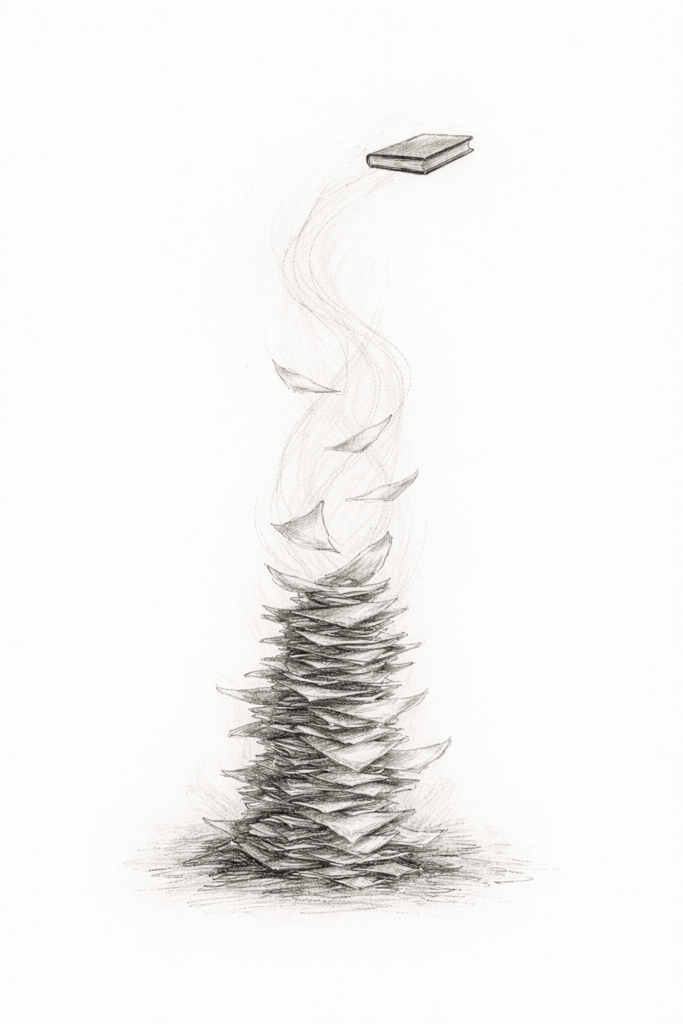
This is where you adjust the length of your chapters to control the reader’s pulse—short and punchy for the scares, longer and more lyrical for the quiet moments of reflection. You are the conductor of an orchestra, and the manuscript is your score; if the rhythm is off, the music is just noise. Every cut you make should feel like you’re sharpening a blade, making the final impact that much more lethal.
Don’t be afraid of the white space on the page; often, what you leave out is more evocative than what you put in. If you describe a monster in too much detail, it becomes a biology lesson; if you describe the shadow it casts, it becomes a nightmare. Mastering the art of omission allows the audience’s imagination to fill in the gaps, creating a more immersive and personal experience for the reader.
This is the “Iceberg Theory” of writing; seven-eighths of the story should be underwater, felt rather than seen. By strengthening the core elements and cutting the distractions, you force the reader to focus on what actually matters. It’s a process of refinement that prepares you for the next big step: bringing in a second pair of eyes to see what you’ve missed.
Collaboration Between Writers and Editors
The moment you hand your reshaped manuscript to an editor, you’ve invited a stranger into your most private thoughts, and that requires a certain kind of bravery. A professional editor isn’t looking to rewrite your book; they are looking to help you write the best version of your book. Successful collaboration is built on a foundation of mutual respect for the story’s integrity and a shared goal of reaching the highest possible standard. Think of the editor as the coach in the corner of the ring; they see the punches you’re missing because you’re too busy fighting for your life. You have to listen when they tell you your “brilliant” ending is actually a confusing mess that leaves the reader unsatisfied. It’s a partnership of honesty, and sometimes honesty tastes like a mouthful of copper.
A good editor will ask you questions that make you uncomfortable, poking at the soft spots in your world-building until you find the answers yourself. They provide the objectivity that you lost somewhere around the second month of staring at your computer screen in your underwear. The editorial relationship functions as a safety net, catching the logical fallacies and tonal inconsistencies that an author is too close to the work to perceive.
When an editor suggests a change, don’t just say “no” out of habit; try to understand the problem they are trying to solve. You might find a third way that solves the issue while keeping your original vision intact, and that’s where the true collaborative magic happens. It’s not about who is right; it’s about what makes the book work for the person who actually buys it.
The feedback loop can be exhausting, involving multiple rounds of notes that feel like you’re being pecked to death by a very literate duck. But each round of feedback is a layer of polish on the stone, making the final product shine just a little brighter. A professional writer views editorial critiques as a diagnostic tool rather than a personal attack on their creative identity or their worth.
If the editor says your protagonist is unlikable, don’t explain why they are wrong; show the reader why the protagonist is likable in the next revision. This is the difference between an amateur who wants praise and a professional who wants a career. You are building a bridge between your mind and the reader’s mind, and the editor is the structural engineer checking the bolts.
Once you and your editor have wrestled the beast into submission, the manuscript starts to feel like a real, tangible object. You’ve survived the critiques, the cuts, and the late-night emails, and you’ve come out the other side with something substantial. The collaborative process is the final forge where a manuscript is hardened against the cold winds of public opinion and literary criticism. It’s the ultimate quality control, ensuring that by the time a book hits the shelves, it’s as bulletproof as possible. But even with a great editor by your side, there’s one enemy that can still ruin everything before you even get to the finish line. That enemy is the nagging voice in your head telling you that it’s still not quite perfect enough to let go.
Overcoming Perfectionism Before Publication
Perfectionism is just fear in a fancy suit, and it’s the number one killer of writing careers in this industry. If you wait until every sentence is a flawless pearl, you’ll be dead and buried long before the book ever sees the light of a bookstore. The pursuit of absolute perfection is a form of creative paralysis that prevents many talented writers from ever sharing their work with the world.
You have to accept that every book is a snapshot of who you were when you wrote it—flaws, tics, and all. At some point, you have to stop tinkering with the knobs and step out of the studio, or you’ll just end up with a pile of dust. “Good enough” isn’t a sign of laziness; it’s a sign that you understand the reality of the creative lifecycle and the limits of human effort.
I’ve known writers who have been working on the same “masterpiece” for twenty years, and all they have to show for it is a very clean first chapter and a lot of gray hair. They are terrified that if they finish it, the world will judge them and find them wanting. Accepting that a book is never truly finished, only abandoned at a high level of quality, is a necessary psychological milestone for any professional author.
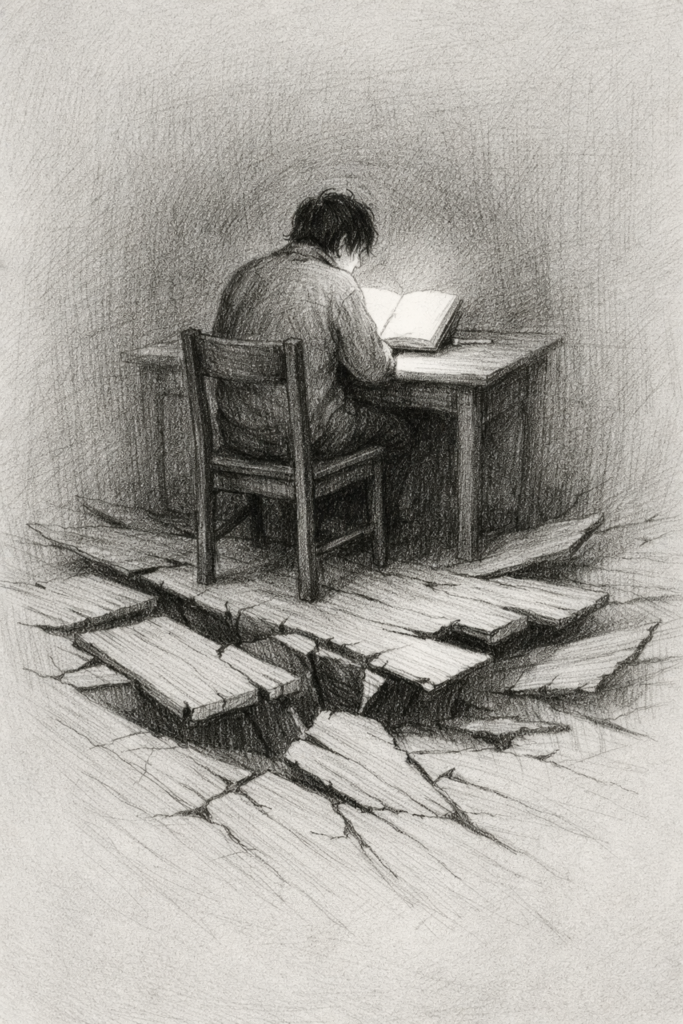
You do the work, you do the edits, you listen to the professionals, and then you let the damn thing go. If you don’t, you aren’t a writer; you’re just a person with a very elaborate and stressful hobby that produces no results. Perfection is for the gods; the rest of us just have to settle for being effective and honest on the page.
One way to beat the perfectionism bug is to set hard deadlines and stick to them like they’re written in blood. A deadline forces you to make decisions instead of wallowing in the infinite possibilities of a single paragraph. Deadlines act as a practical antidote to perfectionism, compelling the author to commit to a final version of the story within a reasonable timeframe.
When the clock is ticking, you don’t have time to wonder if “azure” is better than “blue” for the fourteenth time that hour. You pick one, you move on, and you trust the process you’ve put in place over the last several months. Finishing is a muscle; the more you do it, the easier it gets to quiet that internal critic who wants to keep you small and safe.
The fear of being “found out” as a fraud is a common ghost that haunts the halls of publishing houses. But even the greats, the ones whose books you study in school, had to deal with the same anxiety of letting their work go into the wild. Recognizing that every published work contains imperfections allows the writer to move forward with a sense of humility and creative freedom. Once the book is out of your hands, it belongs to the readers, and they will find things in it that you never even knew were there. That’s the beauty of it; the imperfections are often the places where the reader finds a way to connect with your humanity. Now, let’s look at the final technical hurdles you need to clear before that book can actually be born.
Preparing a Manuscript for the Publishing World
Before the book goes to the printers, it has to pass through the final gauntlet of copyediting and proofreading. This isn’t the big-picture stuff anymore; this is the granularity of commas, em-dashes, and making sure the protagonist’s eyes don’t change from blue to brown in Chapter Eight. Rigorous technical preparation, including multiple rounds of proofreading, is essential to maintaining the professional reputation of both the author and the publisher.
You might think you’re above such things, but a typo on page one is like a fly in a five-star meal—it’s the only thing the customer is going to notice. This is the stage where the manuscript is cleaned, pressed, and sent out to the “beta readers” to see if it actually survives contact with the real world.
Beta readers are your first line of defense, the volunteers who tell you if they got lost on page fifty or if the villain felt like a cardboard cutout. They aren’t there to tell you you’re a genius; they are there to tell you where they got confused or bored. Incorporating diverse perspectives from beta readers can highlight blind spots in the narrative that the author and editor might have overlooked during their work.
You take their feedback with a grain of salt, but if five people tell you they don’t understand the ending, you’ve got a problem that needs a final tweak. This is the last chance to fix the “bugs” in your story before it’s locked into a physical or digital format forever. It’s the final sanity check in a process that has been anything but sane for most of the journey.
Then comes the “Galleys” or “Advanced Reader Copies” (ARCs), which are sent out to reviewers and influencers to build that all-important buzz. This is the first time you see your words in a format that looks like a real book, and it’s a moment of both triumph and terror. The distribution of advanced copies is a critical marketing step that helps establish the book’s presence in the competitive literary marketplace before launch day.
You are now moving from the world of “art” into the world of “commerce,” and the manuscript needs to be dressed for the occasion. Every detail, from the back-cover blurb to the font choice, is designed to signal to the reader that this is a professional product. You have successfully navigated the labyrinth, and now the world is waiting to see what you’ve brought back from the dark.
This final preparation phase is about making sure there are no barriers between your story and the reader’s imagination. You want the prose to be a clear window, and that requires a level of precision that can be grueling to achieve.
A meticulous approach to the final stages of production ensures that the author’s message is delivered without the distraction of technical errors or poor formatting. Once the final “OK” is given, the manuscript is no longer yours; it belongs to the machinery of the publishing world. It’s a strange feeling, like watching a child leave home, but it’s the goal you’ve been working toward since that first messy draft. And as you’ll see, the value of reaching this finish line goes far beyond just seeing your name in print.
The Long-Term Value of Finishing Books
Finishing a book changes the chemistry of your soul in a way that just writing never can. It proves to you, and to the industry, that you have the stamina to see a complex project through from a spark to a finished flame. The act of completing a manuscript and moving through the publication process builds a foundation of professional resilience and technical skill for future work.
Every book you finish is a lesson that you can only learn by doing, and those lessons are the real currency of a long-term writing career. You aren’t just a “one-hit wonder” or a “someday” writer; you are a person who knows how to close the loop. That reputation for reliability is worth its weight in gold when you’re dealing with major houses and high-level agents.
Moreover, each finished book serves as a monument to your growth as a craftsman and a thinker. You can look back at your earlier work and see the mistakes you made, but you also see the progress you’ve made since then. A published bibliography represents a cumulative body of work that documents the author’s evolving voice and their mastery over the complexities of the craft.
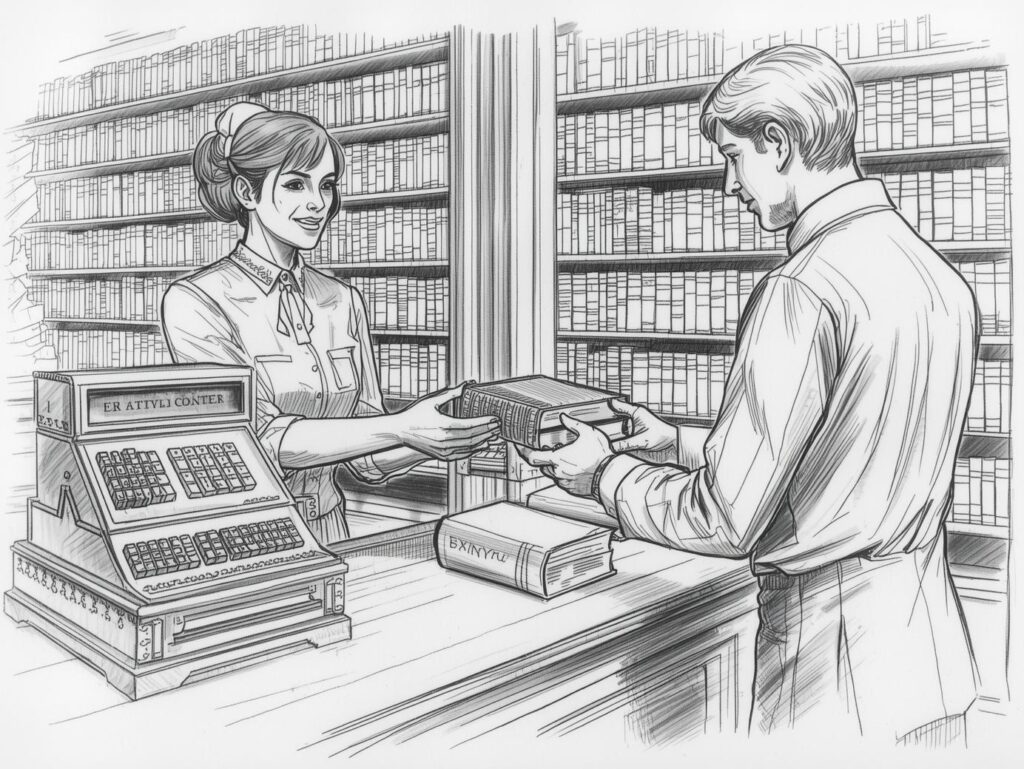
You aren’t just writing books; you’re building a legacy, a shelf of ideas that can live on long after you’ve stopped typing. The discipline you learned during the editing of Book One will make the writing of Book Two faster, leaner, and more focused from the start. You stop being afraid of the process because you’ve seen the monster’s face and you know how to defeat it.
In the long run, the world doesn’t care about your “almost” finished drafts or the brilliant ideas you have in the shower; it cares about what’s on the shelf. Finishing a book is a signal to the universe that you are a serious player in the game of culture and communication. The long-term value of a finished book lies in its ability to reach an audience and influence the lives of readers in ways the author can never predict.
You might write a scene that saves someone’s life, or a line that becomes a mantra for a stranger halfway across the globe. But none of that happens if the draft stays in your drawer, protected from the “harsh” light of the editorial process. Finishing is the ultimate act of respect for your own talent and for the readers who are waiting to hear what you have to say.
So, when you find yourself staring at that messy first draft, feeling like you’ll never reach the end, remember that the struggle is the point. The heat of the edit is what turns the coal into a diamond, and the pain of the cut is what makes the story strong.
Completing the journey from draft to published book is the most significant achievement in a writer’s life, marking the transition from dreamer to professional. Take a breath, pick up your pen, and get back to work; the world is waiting for your story, and the only way to give it to them is to finish what you started. It’s a long road to a quality publishing house, but the view from the top of the mountain is worth every single step you took in the dark.
Keep moving, keep cutting, and for heaven’s sake, keep finishing your work.